
Helios engages students in climate action by implementing sustainability and renewable energy projects on campus to address the climate crisis and create a more livable future.
Learn more about our projects below!
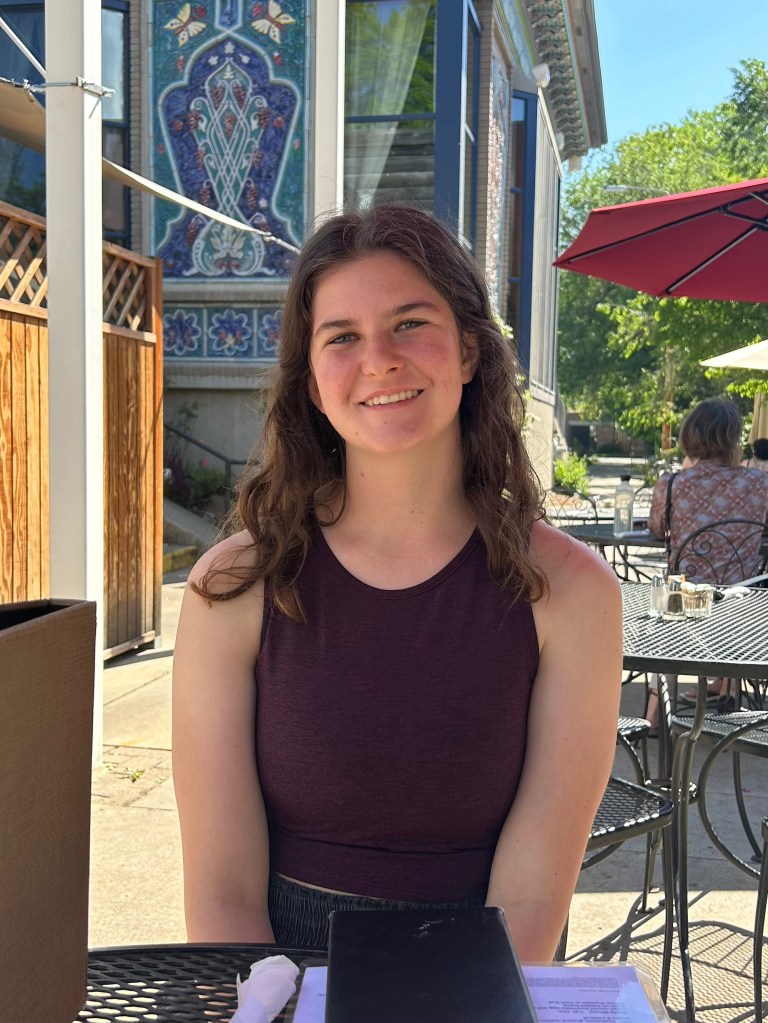
Eliana Bernat
President
Senior
ebernat@wisc.edu
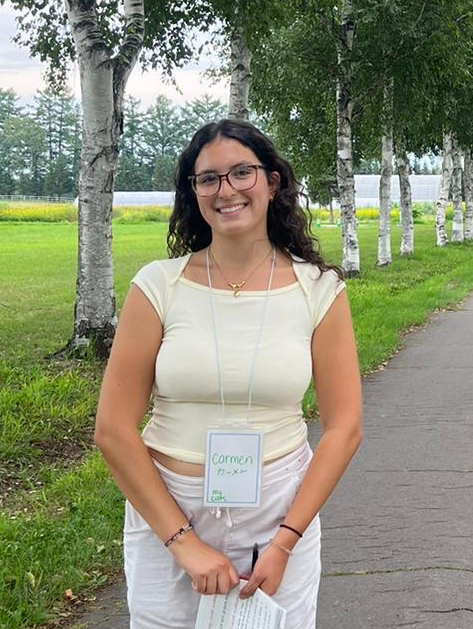
Carmen Marie Kytonen
Energy Team Lead
Senior
kytonen@wisc.edu

Hari Koneti
Engineering Team Lead
Junior
hkoneti@wisc.edu
Solar Analysis
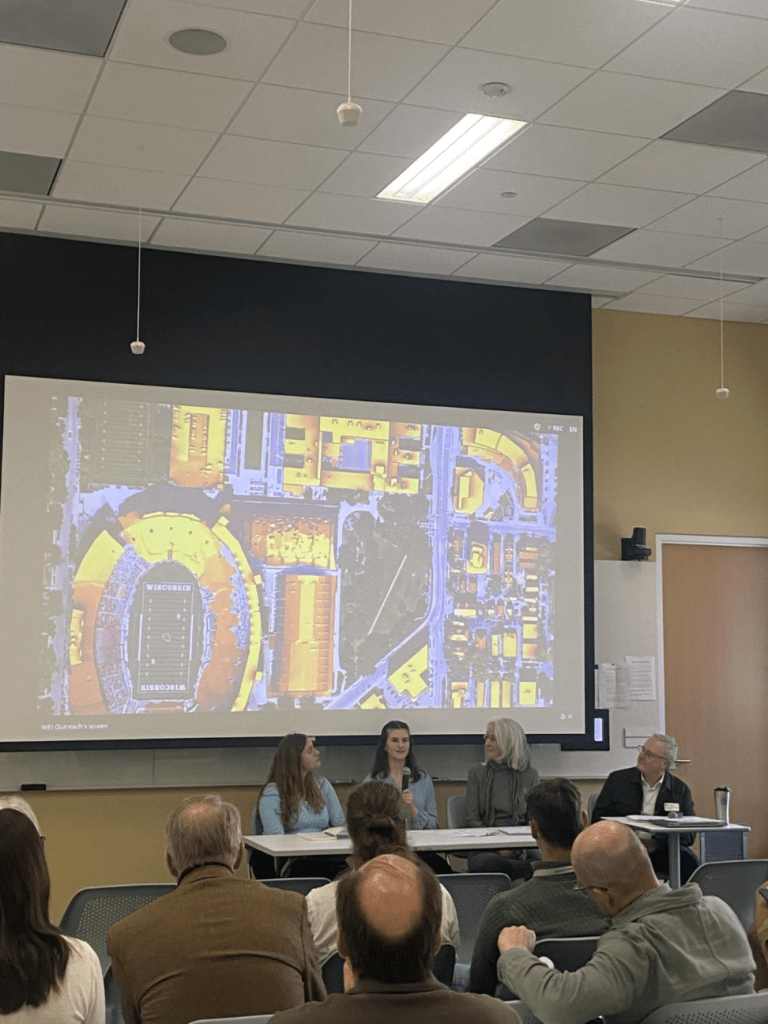
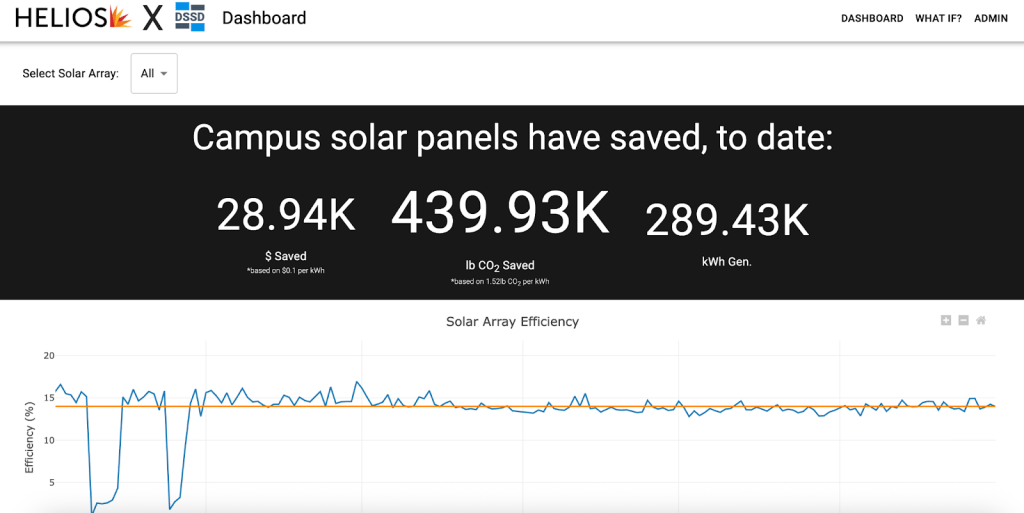
Helios performed a campus-wide solar analysis utilizing Google Project Sunroof (pictured on the left). Additionally, in collaboration with Data Science for Sustainable Development, they developed a dashboard to monitor solar efficiency around campus (pictured below).
Arboretum Solar Installation
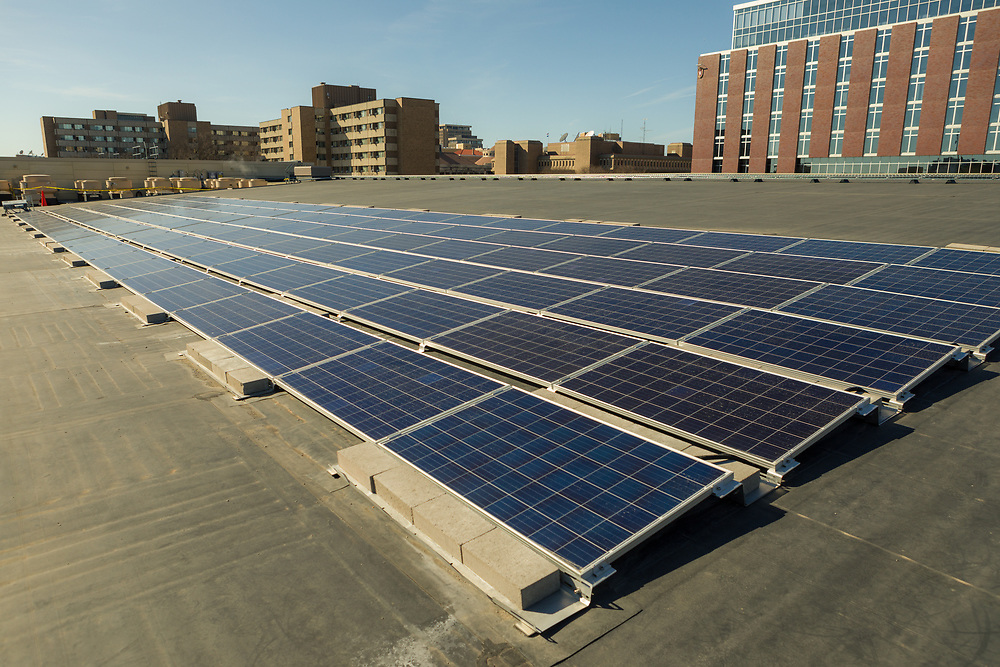
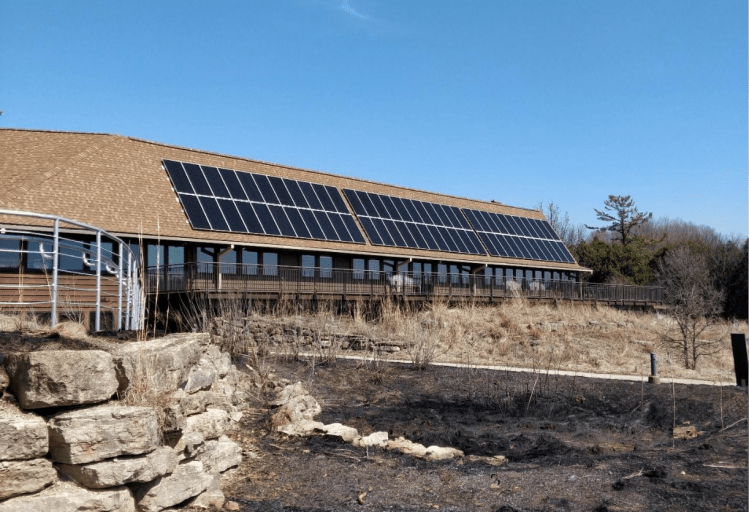
Helios worked with the Arboretum and the Green Fund to get 66 solar panels on the roof of the Arboretum visitor center, providing about 8% of the building’s energy use. See data about the panels’ efficiency, energy produced, and more through the link below! (2019)
Solar Bus Shelters
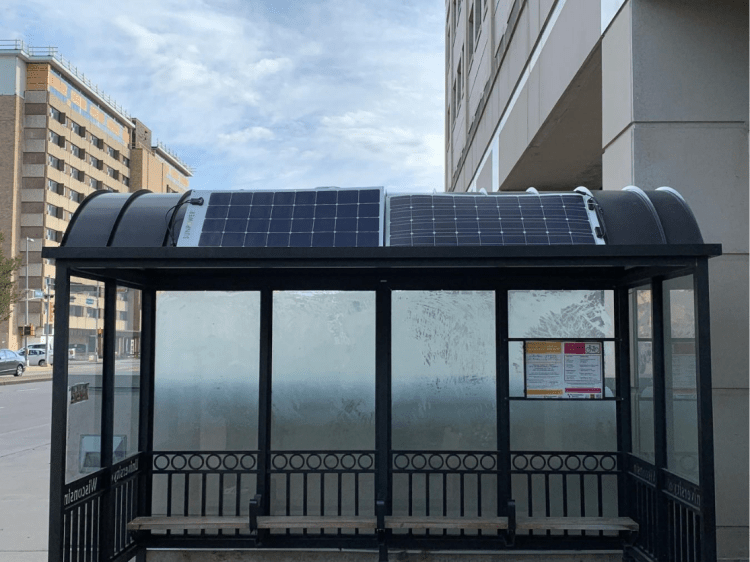
Helios and Enactus used innovative curved panels to the tops of bus shelters, which power a real-time display of when buses are coming. To better understand which bus stops to put the panels, Helios and Enactus adapted modeling usually used to determine flat panels’ output to the curved panel system. (Green Fund application 2021, installed 2024)
Gordon Dining Hall Solar Installation
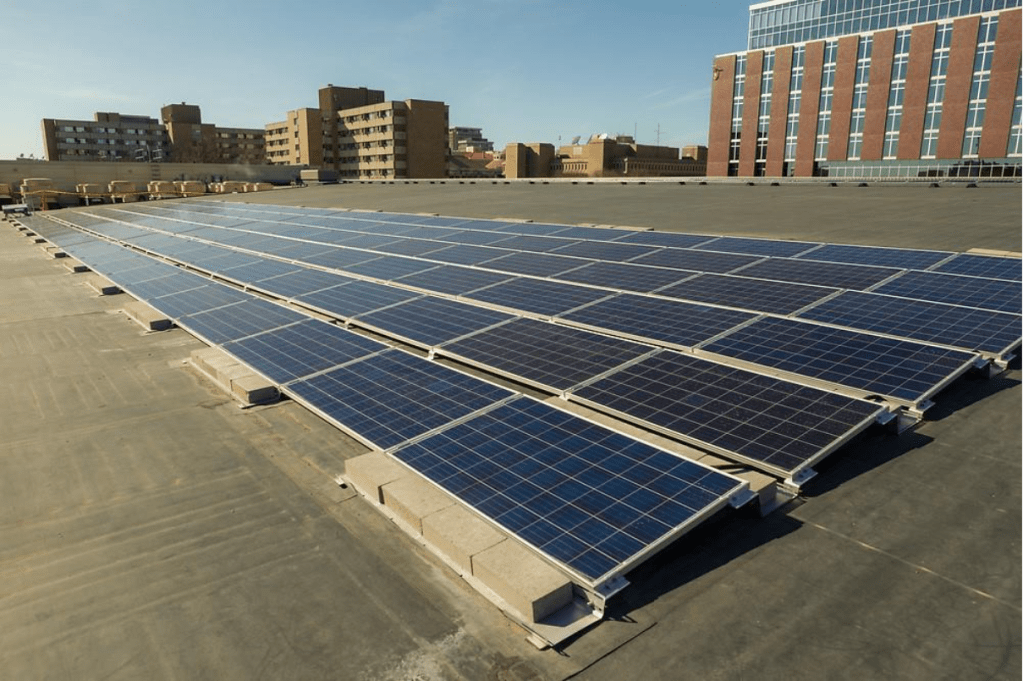
Helios worked with University Housing and the Green Fund to get solar panels on the roof of Gordon Dining Hall. The solar installation produces about 42,800 kWh of electricity per year, and saves the university an estimated $35,600 over the life of the panels. This installation is also visible from the Nicholas Recreation Center, encouraging more students to think about solar. (2019)
Arboretum Dashboard
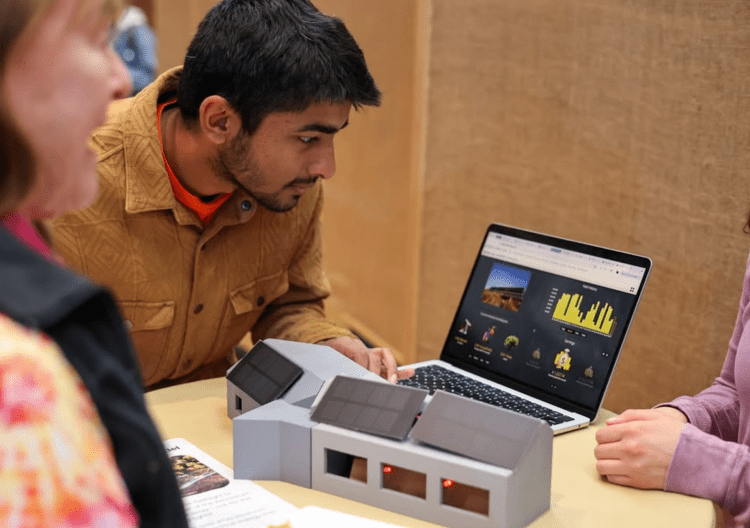
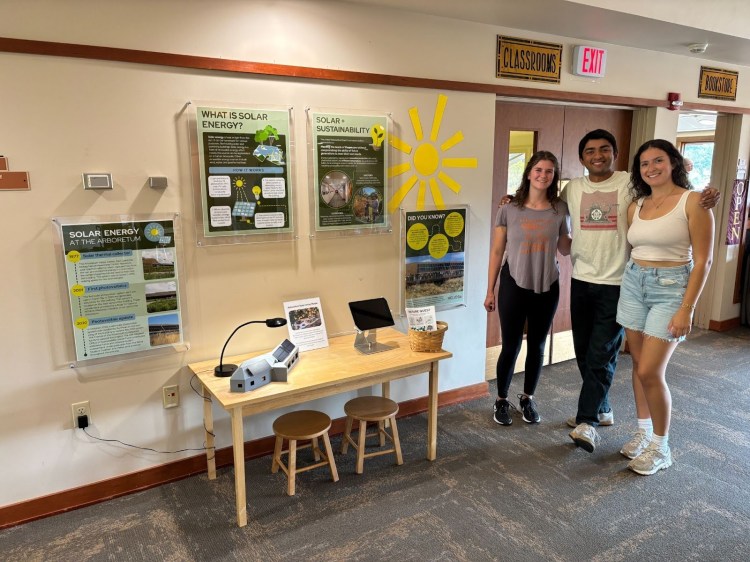
Helios worked with the Arboretum to create an educational exhibit on solar energy. The infographics explain basics about how solar works, how it contributes to sustainability, and its history at the Arboretum. The model shows diagrams of solar panels on the visitor center building and a nearby iPad displays the solar dashboard linked below. (2025)

 Helios UW-Madison